CJC-1295 already has a place on the banned list
I understand the seriousness of a sporting ban. The leap from a banned substance to a proven performance aid deserves a much harder look.
An antibody-free test
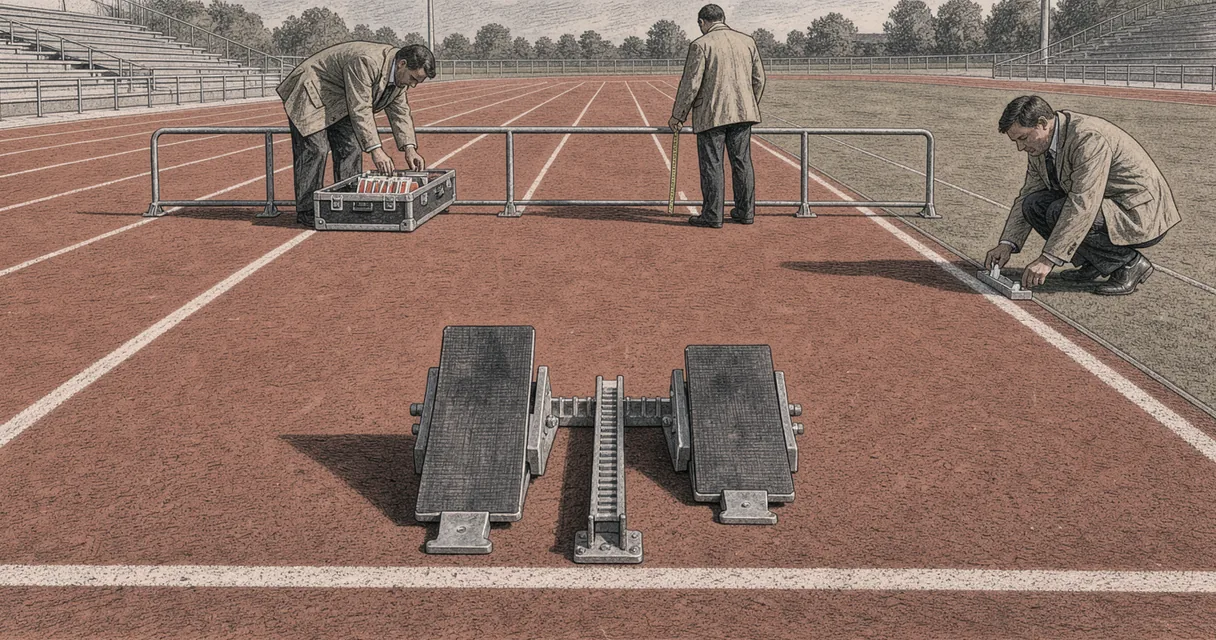
The CJC-1295 paper I would set against a confident performance claim starts with a filter. The 2022 antibody-free, ultrafiltration-based assay expanded the options for detecting GHRH analogs. GHRH is growth-hormone-releasing hormone; CJC-1295 mimics it. This was analytical work, concerned with finding substances in samples. The achievement was detection.
The filter opens an unusually specific question about the word “legit.” A method can legitimately identify a substance. A sporting rule can clearly prohibit it. A claim about running faster, recovering sooner or living longer still has to earn its own evidence. I admire the assay’s precision and resent the borrowed authority it can lend to the other claims.
CJC-1295 in the sporting rules
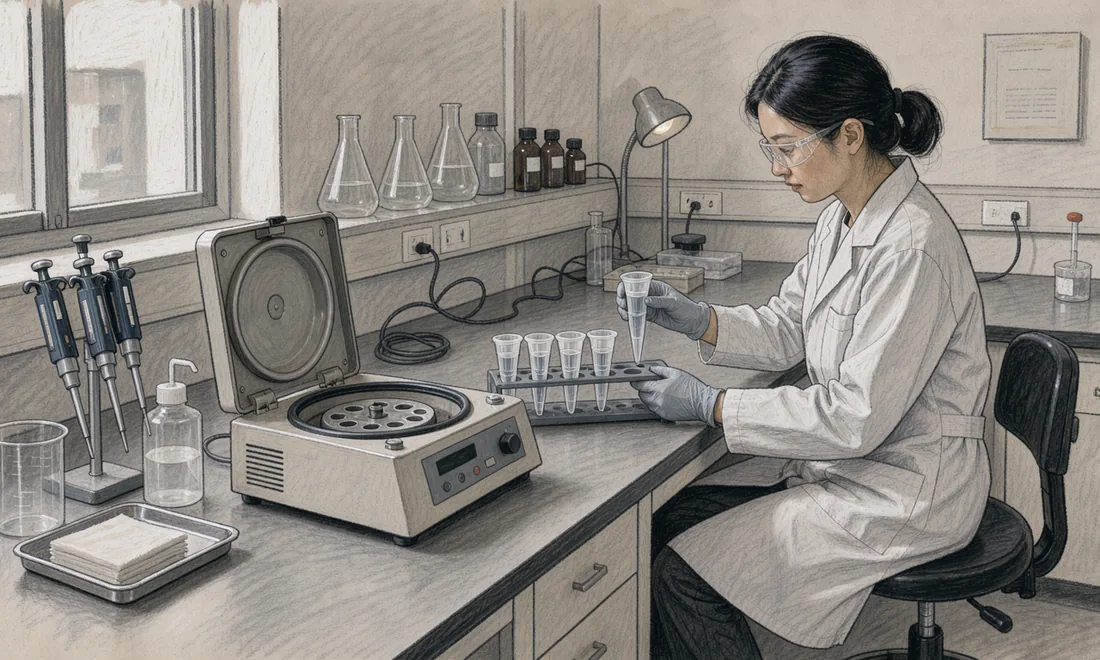
The World Anti-Doping Agency lists CJC-1295 under Section S2, covering peptide hormones, growth factors, related substances and mimetics. It is prohibited at all times, including outside competition. The rule has a direct consequence for sporting eligibility.
That shortcut from a serious ban to a benefit claim deserves suspicion. The human CJC-1295 studies in this record measured growth hormone and IGF-1, a downstream growth-related hormone. They left athletic performance, training recovery and longevity untested. A ban and a successful race answer different questions; the sport and regulatory questions need their own space.
The human hormone findings
There is substantial hormone activity to account for. In healthy adults, CJC-1295 raised mean growth hormone 2- to 10-fold for 6 days or more and IGF-1 1.5- to 3-fold for 9-11 days. Those results explain why the compound is taken seriously as a long-acting GHRH analog. They also specify the outcome: blood measurements.
The human research has some more interesting wrinkles than a generic “growth hormone goes up” summary allows. Pulses persisted during sustained stimulation, and serum proteins changed in a later study. I think these findings deserve attention on their own terms. Their appeal shrinks when they are recruited to advertise results the studies never measured.
Albumin attachment
The longer duration depends on the DAC modification, which binds the peptide to circulating albumin. Albumin is a carrier protein in blood. The human estimate for CJC-1295 DAC's half-life was 5.8-8.1 days.
“CJC-1295 no DAC” usually refers to Modified GRF (1-29), without the albumin-binding modification studied in rats. Its action is short, in the minutes-to-hours range described in the research summary. The DAC vs no DAC comparison sorts out those names, while the half-life page separates peptide clearance from the hormone response.
Recovery claims
Better sleep and less soreness would matter to almost anyone who trains. Reports also describe a leaner appearance, more energy, swelling and tingling hands. These are anecdotal accounts rather than clinical evidence; they leave room for changes in training, diet, sleep and other substances. The effects and safety page takes the appealing reports and the unwelcome ones equally seriously.
CJC-1295 remains unapproved for human use. The FDA briefing record raises immunogenicity and other safety concerns, and the original Phase 2 programme in HIV-associated visceral obesity was discontinued. I regard the uncompleted clinical work as a reason to ask for better evidence. Neither enthusiasm nor a sporting prohibition can supply it.